Page updated 7 October 2026
Understanding your symptoms
Obstructive sleep apnea involves repeated narrowing or closure of the upper airway during sleep. Diagnosis requires appropriate assessment.
Your consultation brings together your history, examination and any relevant test results. Similar symptoms can have different causes.
Common symptoms
- Breathing pauses during sleep
- Gasping or choking at night
- Unrefreshing sleep
- Excessive daytime sleepiness
Possible causes
The upper airway becomes too narrow during sleep. Anatomy and other health factors can contribute.
When to consult an ENT specialist
Arrange an assessment when symptoms persist, recur, affect your sleep or interfere with everyday activities. Bring previous reports and a list of treatments you have tried.
For breathing difficulty or another medical emergency, seek urgent care rather than using the appointment form.
How it is evaluated
Overnight sleep testing can establish whether apnea is present and its severity.
Possible treatment approaches
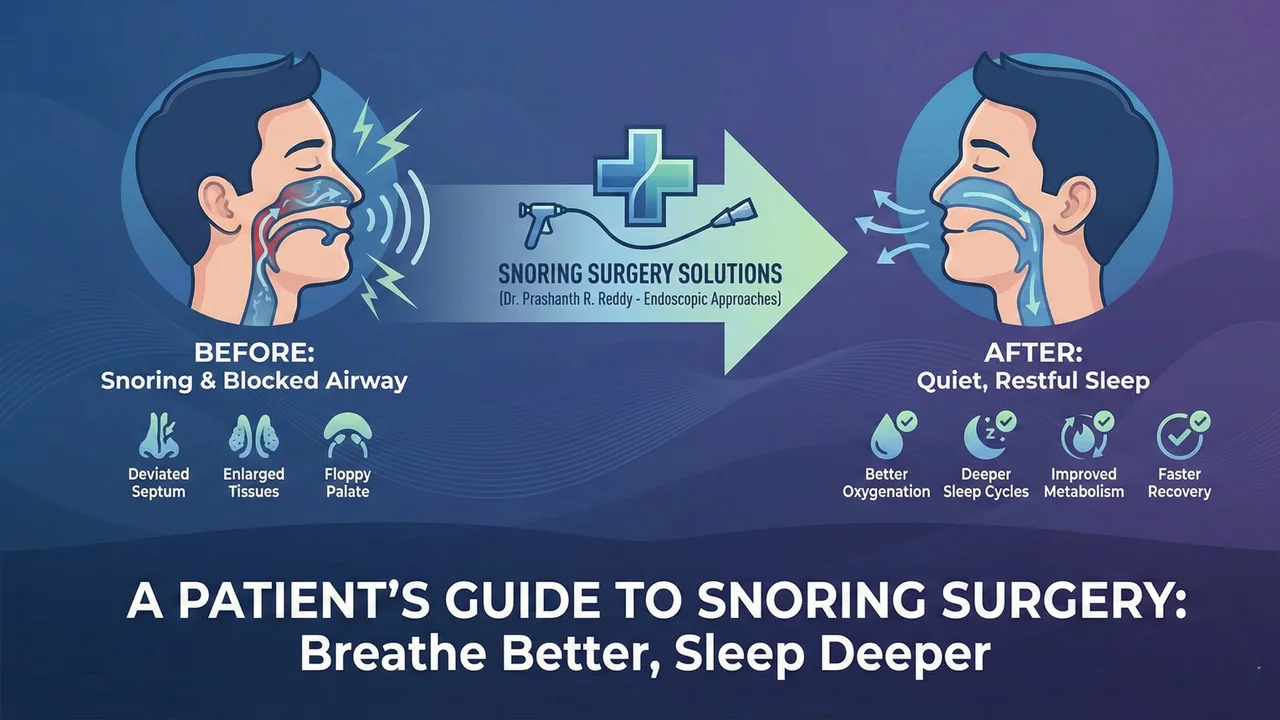
Treatment may include CPAP, lifestyle measures, an oral appliance or selected surgery. A nasal procedure does not automatically replace CPAP.
Questions you may have
Does this symptom mean I need surgery?
Not necessarily. Treatment is based on the cause, severity, previous treatment and your preferences. Your specialist will explain reasonable alternatives.
What should I bring to my consultation?
Bring previous medical reports, relevant scans, a medication list and any notes about when your symptoms occur.
BETTER SLEEP. A BIGGER PICTURE.
A noisy night.
A quieter signal.
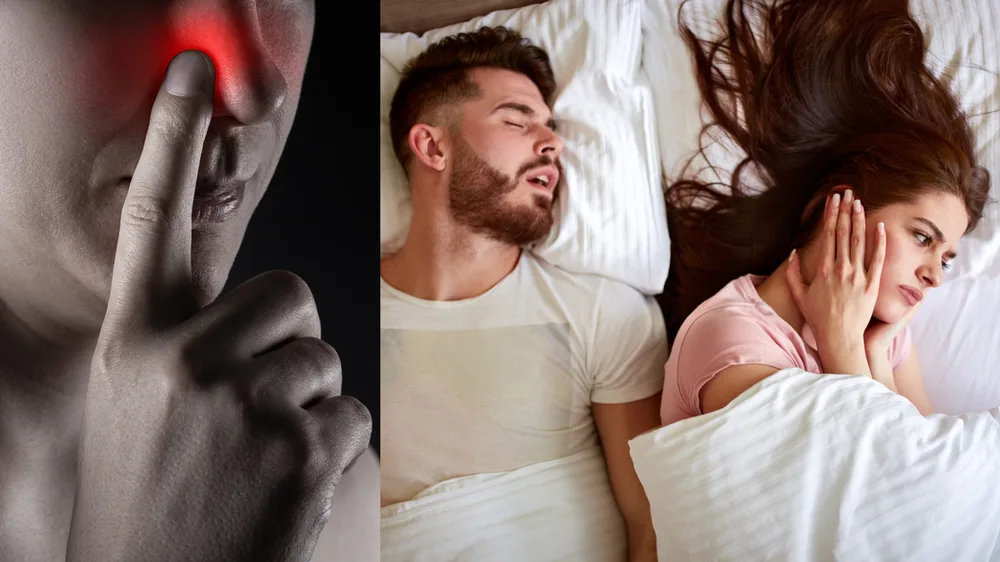
Snoring with breathing pauses or daytime tiredness can signal sleep apnea. It’s worth understanding what’s behind it.
Snoring alone does not diagnose sleep apnea.
Explore sleep healthHOW SLEEP CAN AFFECT YOUR DAY
Your energyUnrefreshing sleep can affect focus and daytime alertness.
Sleep apnea can cause daytime sleepiness and concentration difficulties. These symptoms can have other causes too.
Your heartSleep apnea is linked to high blood pressure and heart risks.
Untreated obstructive sleep apnea can increase cardiovascular risk. Assessment distinguishes simple snoring from interrupted breathing.
Your weightWeight and sleep health are connected in more than one way.
Obesity raises the risk of sleep apnea. Fatigue can make healthy routines harder. Snoring itself is not a proven cause of weight gain, and treating it is not a weight-loss treatment.
Learn more: NHLBI symptoms · health effects