Here’s What You Need to Know
Snoring might seem like a harmless nuisance at first, but over time, it can disrupt your sleep, strain your relationships, and even signal more serious health concerns like obstructive sleep apnea (OSA).
While the throat often gets blamed, the nose is actually where the problem starts.
In this article, we’ll explore how nasal issues are often the root cause of snoring, why they worsen over time, and why treating the nose is critical—especially if you’re using a CPAP machine.
The Nose: The Starting Point of Snoring
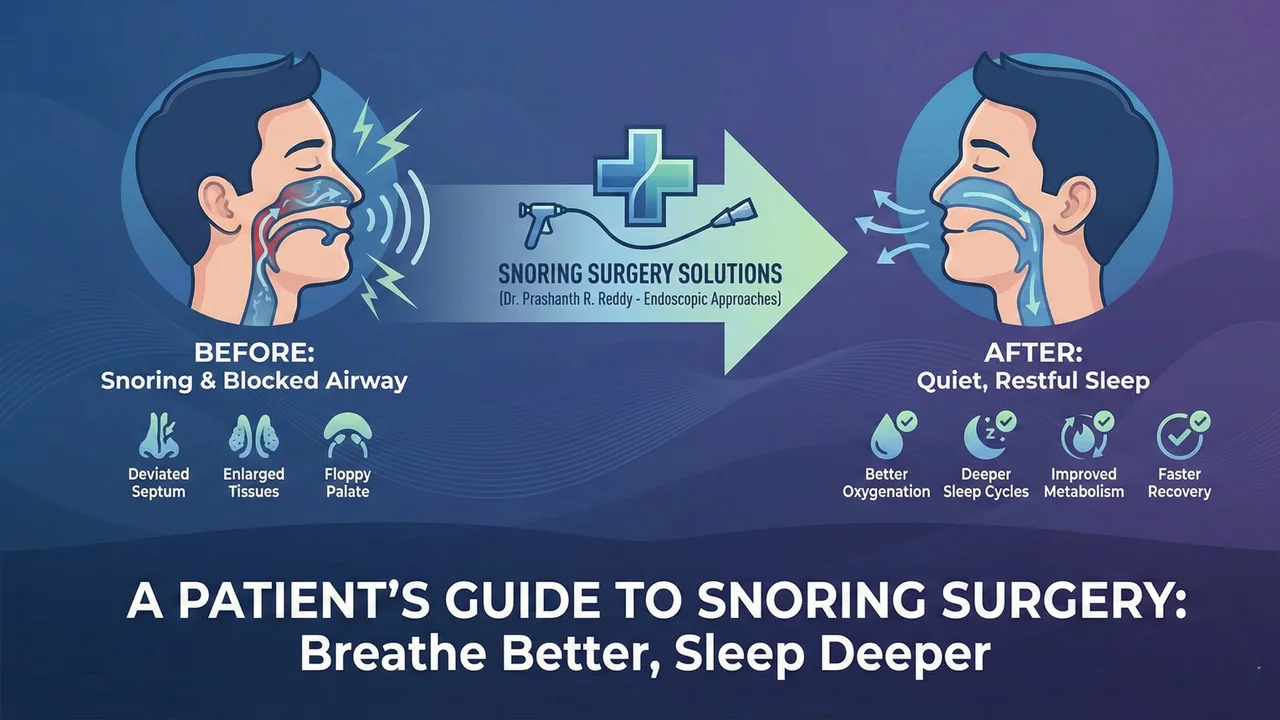
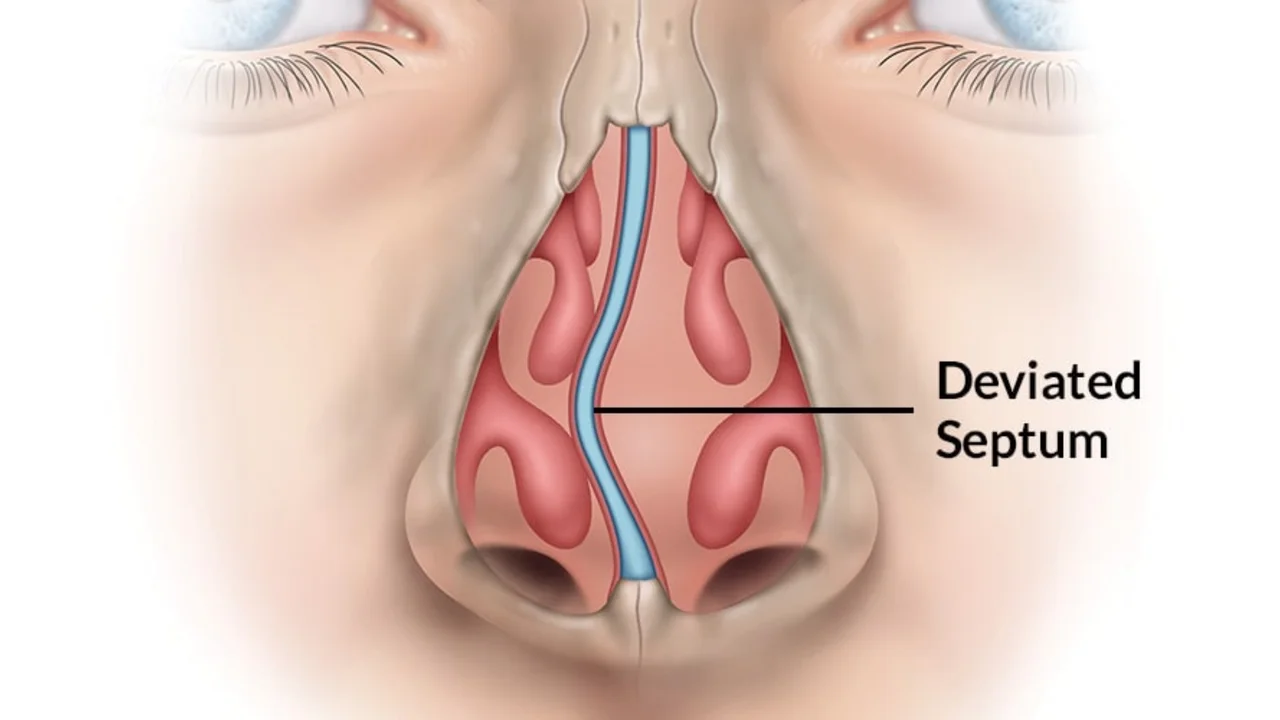
Your nose is the first part of your airway. It acts as a filter, humidifier, and pressure regulator.When airflow is compromised due to conditions like:
- Deviated nasal septum
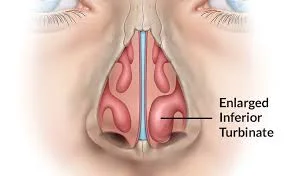
- Enlarged turbinates
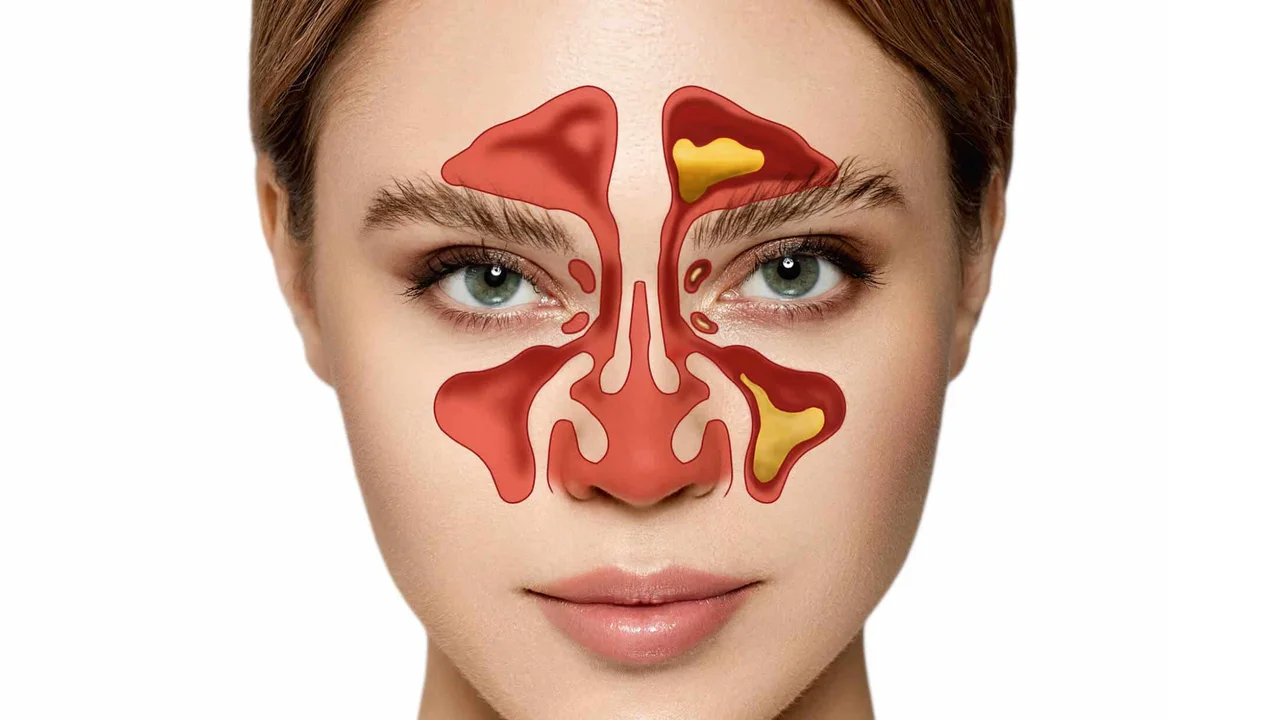
- Chronic sinusitis
- Allergic rhinitis

- Nasal valve collapse
...you’re forced to breathe through your mouth while sleeping.This shift is where snoring begins.
How Mouth Breathing Triggers Snoring
When you breathe through your mouth:
- The tongue falls backward, narrowing the airway
- The soft palate vibrates, producing the snoring sound
- The throat becomes more collapsible, especially during deep sleep
So while your throat makes the sound, the nose is the hidden root cause.
How Nasal Problems Make Snoring Worse Over Time
A blocked nose creates a vicious cycle:
- More mouth breathing = More airway collapse
- Poor sleep = Fatigue, weight gain, worsening snoring
- Chronic dryness = Tissue inflammation = More obstruction
Left untreated, this can progress to obstructive sleep apnea, where the airway repeatedly shuts down during sleep.
Why CPAP Machines Fail Without Treating the Nose
The CPAP (Continuous Positive Airway Pressure) machine is the gold-standard treatment for OSA.But here’s the catch:
Why?
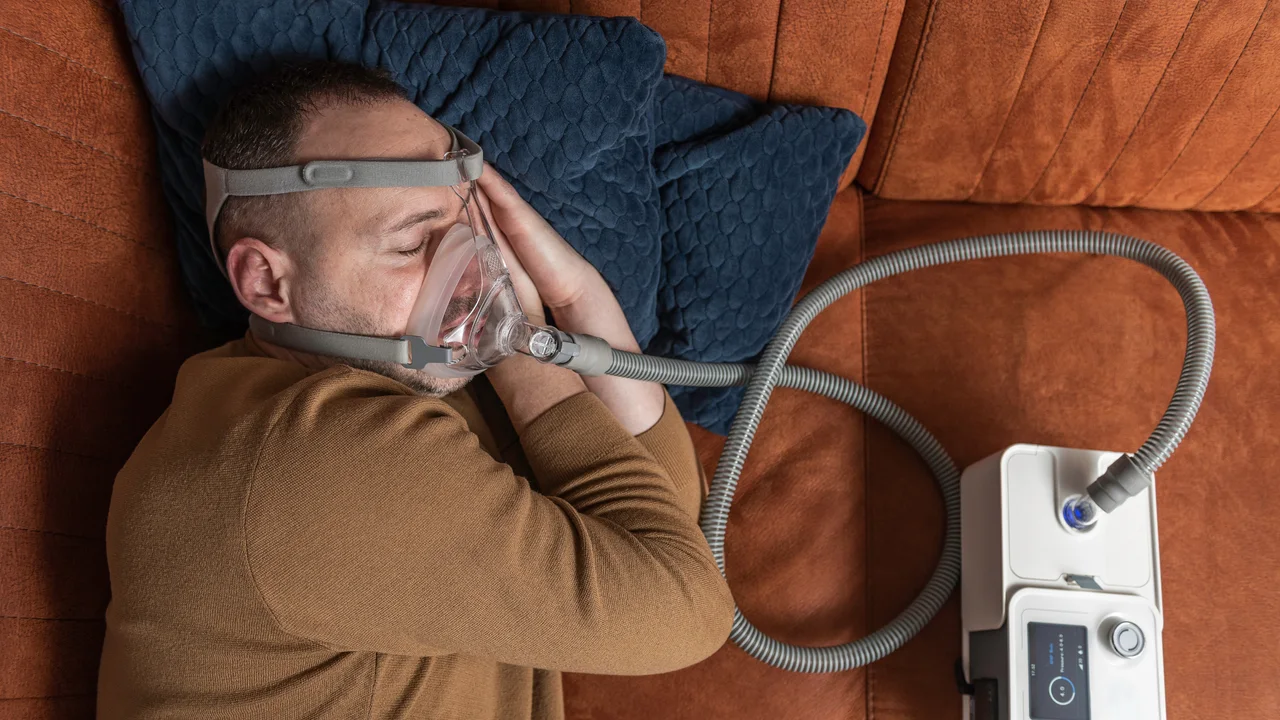
- Air can’t enter easily → Mask leaks and discomfort
- Patients remove masks mid-sleep → Non-compliance
- Long-term failure → Worsening symptoms and health risks
Fixing the nasal obstruction first is essential. In many cases, after nasal correction, patients may:
- Find CPAP therapy comfortable
- Or no longer need it if snoring or mild OSA was nasal in origin
Common Nasal Treatments That Help Eliminate Snoring
- Endoscopic nasal surgery (to correct deviated septum, reduce turbinates)
- Allergy treatments for chronic inflammation
- Polyp or sinus infection management
- Scarless nasal procedures to open airflow effectively
Final Thoughts: Start with the Nose to End the Snore
If you or your partner snores, don’t just mask the problem—diagnose the root cause. For many patients, it starts in the nose.
Correcting nasal obstruction can:
- Eliminate or reduce snoring
- Improve CPAP tolerance
- Enhance overall sleep quality
Struggling with snoring or CPAP intolerance?
Book a detailed nasal evaluation with:
📅 Book a Consultation Today
👨⚕️ Dr. Prashanth R. Reddy ENT & Endoscopic Sinus Specialist
Helping patients uncover the root cause and breathe freely again.
ENT & Endoscopic Sinus Surgeon
📍 Dr Prashanth R Reddy | ENT Doctor – Sarjapura Road -
🕐 11:00 AM – 1:00 PM (Weekdays)
🕐 1:30 PM – 3:00 PM (Saturday)
📍 Dr Prashanth Reddy | ENT Specialist – Koramangala-
🕐 5:00 PM – 7:00 PM (Monday–Saturday)
🕐 11:00 AM – 1:00 PM (Sunday)
General patient education. An individual consultation is needed to assess your symptoms and treatment options.