By Dr. Prashanth R. Reddy | ENT & Endoscopic Sinus Surgeon, Bangalore
🤧 Common Causes of Allergic Triggers in the Nose
Allergic rhinitis (nasal allergy) is an immune overreaction to otherwise harmless substances. These include:
1. Airborne Allergens
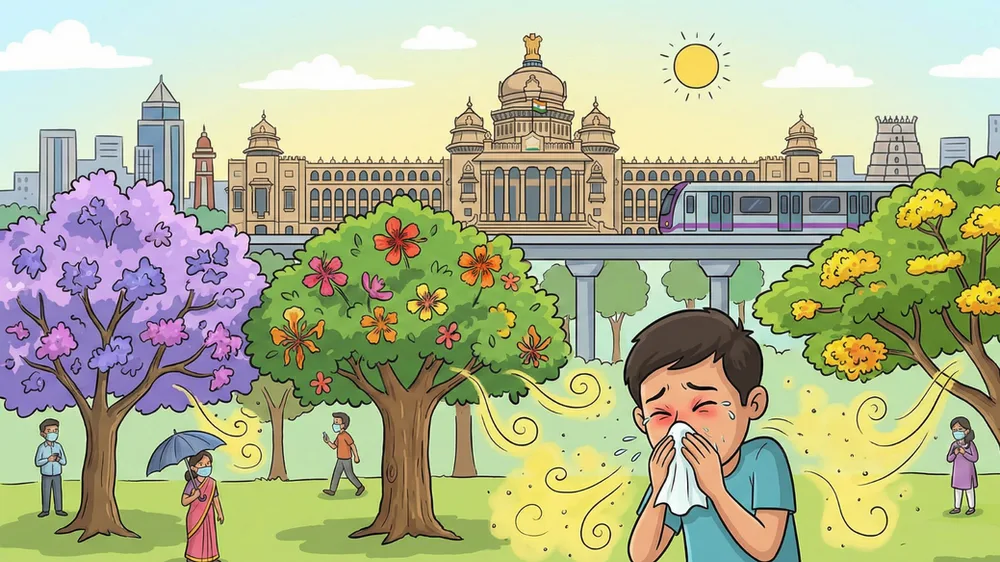
- Pollen from exotic flowering trees, grasses, weeds (especially common in Bangalore)
- Dust mites (mattresses, carpets, soft toys)
- Pet dander (from cats and dogs)
- Mould spores (in damp bathrooms, AC vents)
2. Environmental Irritants
- Smoke (cigarette, incense sticks)
- Strong perfumes, room fresheners
- Urban pollution and fumes
3. Food Sensitivities (less common but possible)
- Dairy, gluten, nuts — in sensitive individuals, can indirectly worsen nasal symptoms
4. Weather Changes & Humidity
- Sudden shifts in temperature (AC to outdoors) irritate nasal lining
⚠️ What Is Histamine Dumping Syndrome?
When exposed to allergens, mast cells in the nasal passages release histamine, triggering swelling, itching, and mucus production.
With chronic or repeated exposure: 🔁 Your immune system becomes hypersensitive
⚠️ You experience an excessive histamine surge — referred to as “histamine dumping”. This can spill into the entire body, not just the nose.
🔬 Effects of Histamine Dumping
In the Nose
- Sneezing fits
- Runny nose
- Watery, itchy eyes
- Nasal congestion
- Post-nasal drip
Systemic Symptoms
- Headaches
- Rashes or skin flushing
- Acid reflux or bloating
- Brain fog or fatigue
- Palpitations or anxiety (in histamine intolerance)
👃 Can Chronic Nasal Allergy Lead to Full-Body Inflammation?
Absolutely. Long-term untreated allergic rhinitis may result in:
- Poor sleep → fatigue & hormone imbalance
- Mucus swallowing → digestive inflammation
- Circadian disruption → increased cortisol
- Low-grade systemic inflammation → joint stiffness, dull skin, bloating
✅ What Can You Do?
1. Identify and Avoid Triggers
- Use hypoallergenic pillow and mattress covers
- Minimize incense, perfumes, and scented cleaners
- Track pollen levels if sensitive
2. Improve Indoor Air
- Deep clean your home weekly
- Use effective air purifiers (not all HEPA filters are equal)
3. Strengthen Nasal Defense
- Daily saline nasal rinses
- Antihistamines or mast cell stabilizers (as advised by your doctor)
4. See an ENT Specialist
If symptoms are persistent, you may be dealing with:
- Allergic Rhinitis
- Turbinate Hypertrophy
- Deviated Nasal Septum
Advanced endoscopic treatments can restore airflow, reduce histamine buildup, and improve quality of life.
📍 Consult Dr. Prashanth R. Reddy
ENT & Endoscopic Sinus Surgeon🌿 Helping patients breathe, sleep, and live better by treating the root—not just symptoms.
General patient education. An individual consultation is needed to assess your symptoms and treatment options.