
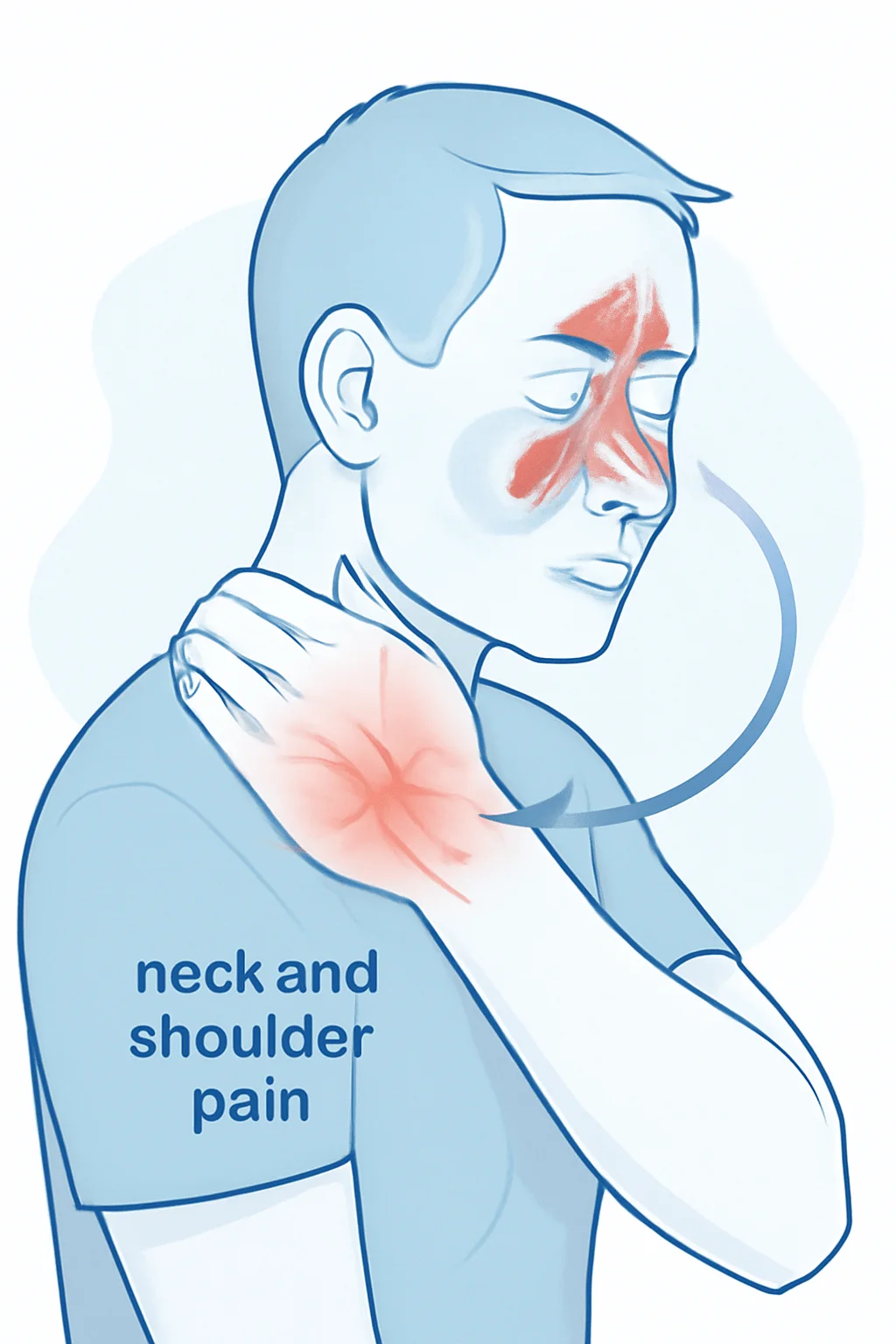
Many people who suffer from constant neck and shoulder pain often blame their posture, stress, or long desk hours. But what if the real problem is in your nose?
It may sound surprising, but blocked nasal passages can be an invisible trigger for chronic pain in your upper body.
Let’s explore this lesser-known connection — and how treating your nose can help more than just your breathing.
🫁 1. Nasal Block = Poor Oxygen = Muscle Fatigue
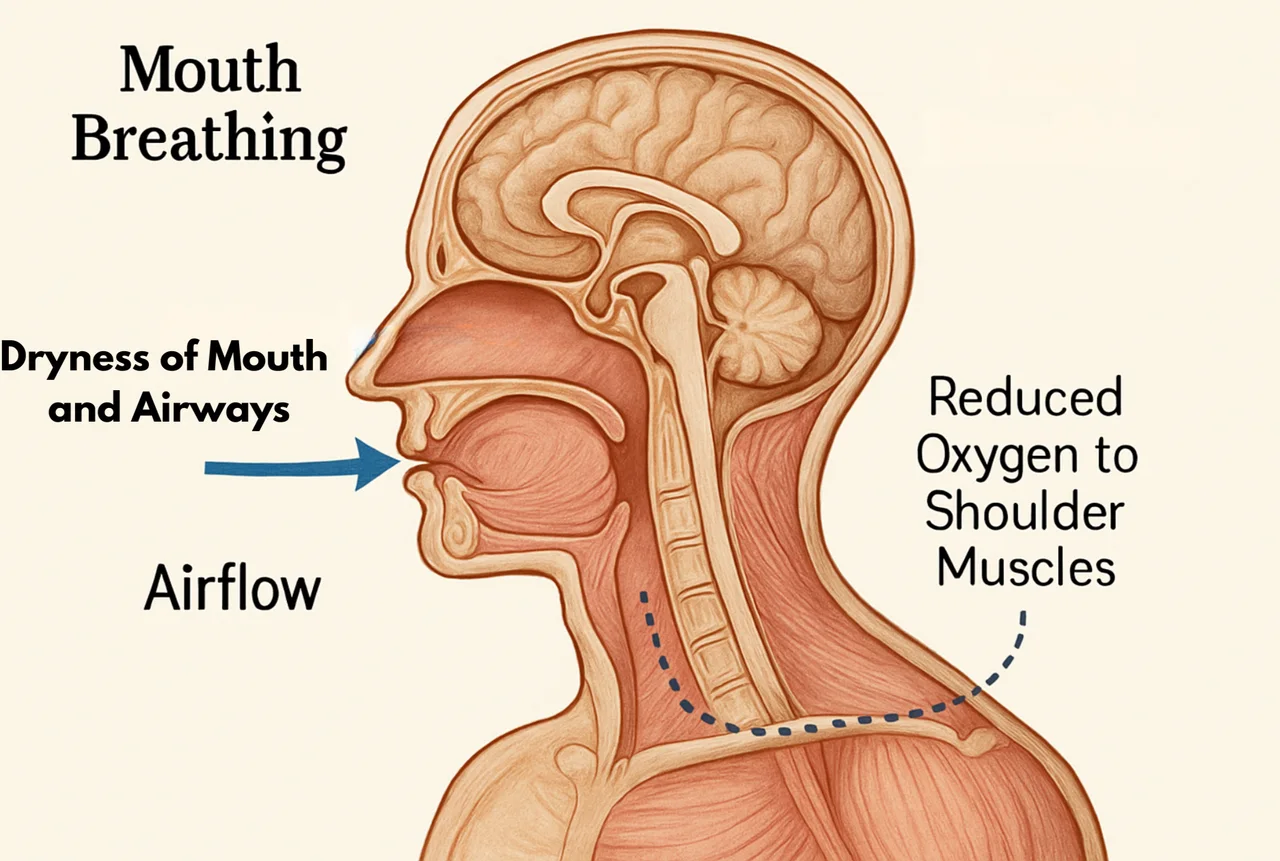
Your nose is designed for primary breathing. But when it's blocked — due to a deviated septum, enlarged adenoids, or allergies — you’re forced to breathe through your mouth.
Mouth breathing is:
- Shallow and inefficient
- Reduces oxygen delivery to muscles
- Causes muscles to feel stiff, tight, and tired
Your neck and shoulder muscles, already under strain from daily stress, now receive less oxygen — making them more prone to pain and fatigue.
😴 2. Poor Sleep Quality and Muscle Tension

Blocked noses often lead to:
- Snoring
- Mouth breathing during sleep
- Sleep apnea
These interrupt deep sleep — which is vital for:
- Muscle recovery
- Releasing natural pain-relieving hormones
- Reducing inflammation
Without proper rest, the neck and shoulder muscles stay tense, leading to morning stiffness and tension headaches.
🌀 3. Compensatory Posture While Breathing
To breathe better, people with nasal blockages may unconsciously:
- Tilt their head forward
- Elevate their shoulders
- Strain their neck muscles
Over time, this unnatural breathing posture results in:
- Muscle imbalance
- Upper back stiffness
- Poor circulation in the neck and shoulders
This is one of the most overlooked causes of chronic neck and upper back pain.
🤯 4. Sinus Pressure Can Radiate Downward
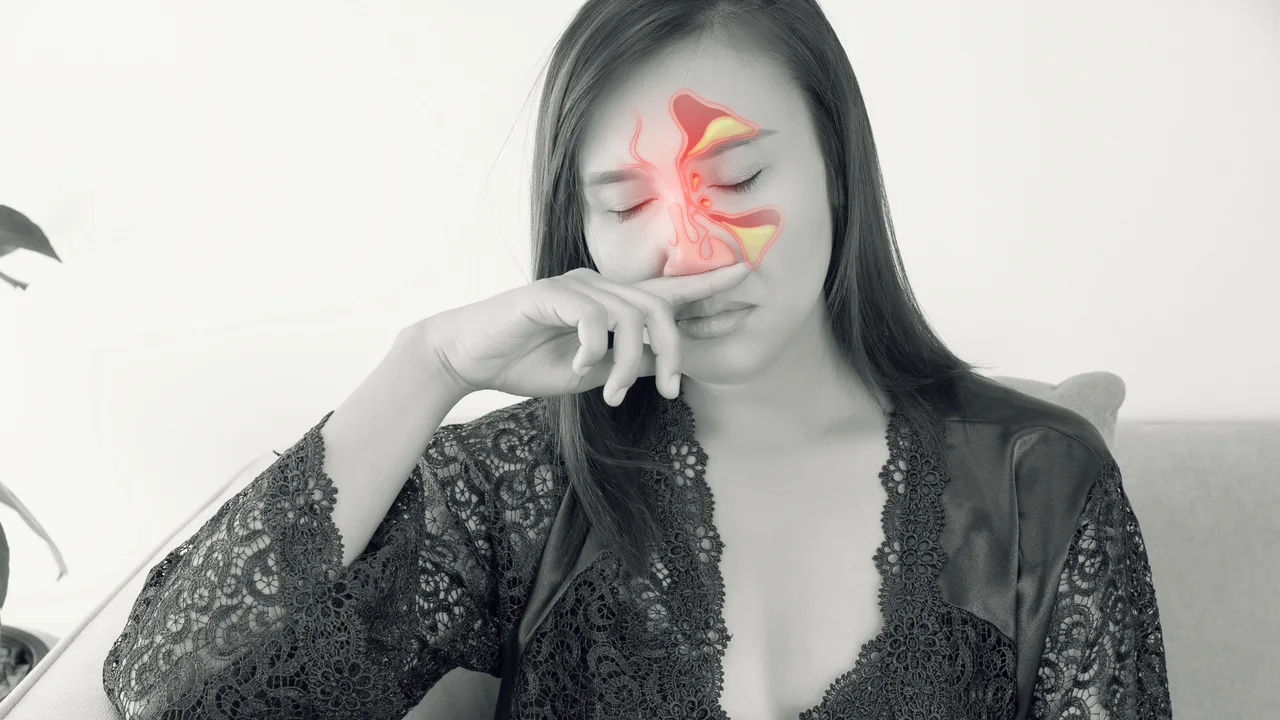
When your sinuses are blocked, pressure doesn’t stay in your forehead or cheeks.
It can radiate downward to:
- The base of the skull
- The back of the neck
- The shoulder blade area
This is often misdiagnosed as:
- Migraine
- Cervical spondylosis
- Pinched nerve
When in reality, the root cause is hidden in the nose and sinuses.
🔄 A Vicious Cycle
Blocked nose → Poor breathing↓Poor breathing → Bad sleep & posture↓Bad sleep/posture → Neck & shoulder pain↓Chronic pain → More stress, muscle tension
Unless you treat the nasal issue, the cycle keeps repeating.
✅ How Nasal Treatment Can Help
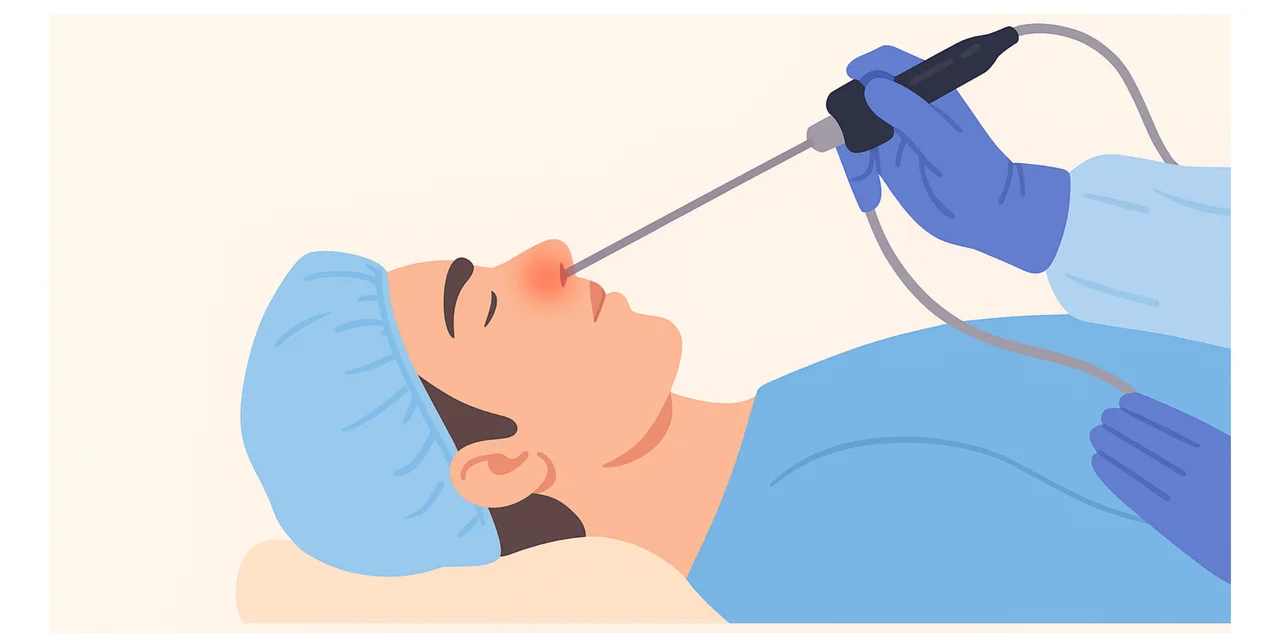
Many patients who undergo scarless endoscopic nasal surgery (to fix a deviated septum, reduce turbinates, or remove adenoids) report:
- Easier breathing
- Improved sleep quality
- Relief from neck and shoulder tightness
- More energy and mental clarity
- Better posture and productivity
Fixing the nose can free up the entire upper body.
🩺 When Should You See a Specialist?
Consult an ENT if you have:
- Constant nasal block or stuffy nose
- Mouth breathing, especially during sleep
- Snoring or waking up tired
- Ongoing neck or shoulder pain without a clear orthopedic diagnosis
You may be treating the symptoms while the real cause lies in your nasal airway.
🌿 Final Thoughts
Your body is interconnected.A blockage in the nose can affect your breathing, disrupt your sleep, alter your posture, and trigger muscle pain.
If you’ve been struggling with persistent upper body tension or fatigue, don’t ignore your nasal health.
📅 Book a Consultation Today
👨⚕️ Dr. Prashanth R. Reddy
ENT & Endoscopic Sinus Surgeon
📍 Dr Prashanth R Reddy | ENT Doctor – Sarjapura Road -
🕐 11:00 AM – 1:00 PM (Weekdays)
🕐 1:30 PM – 3:00 PM (Saturday)
📍 Dr Prashanth Reddy | ENT Specialist – Koramangala-
🕐 5:00 PM – 7:00 PM (Monday–Saturday)
🕐 11:00 AM – 1:00 PM (Sunday)
General patient education. An individual consultation is needed to assess your symptoms and treatment options.