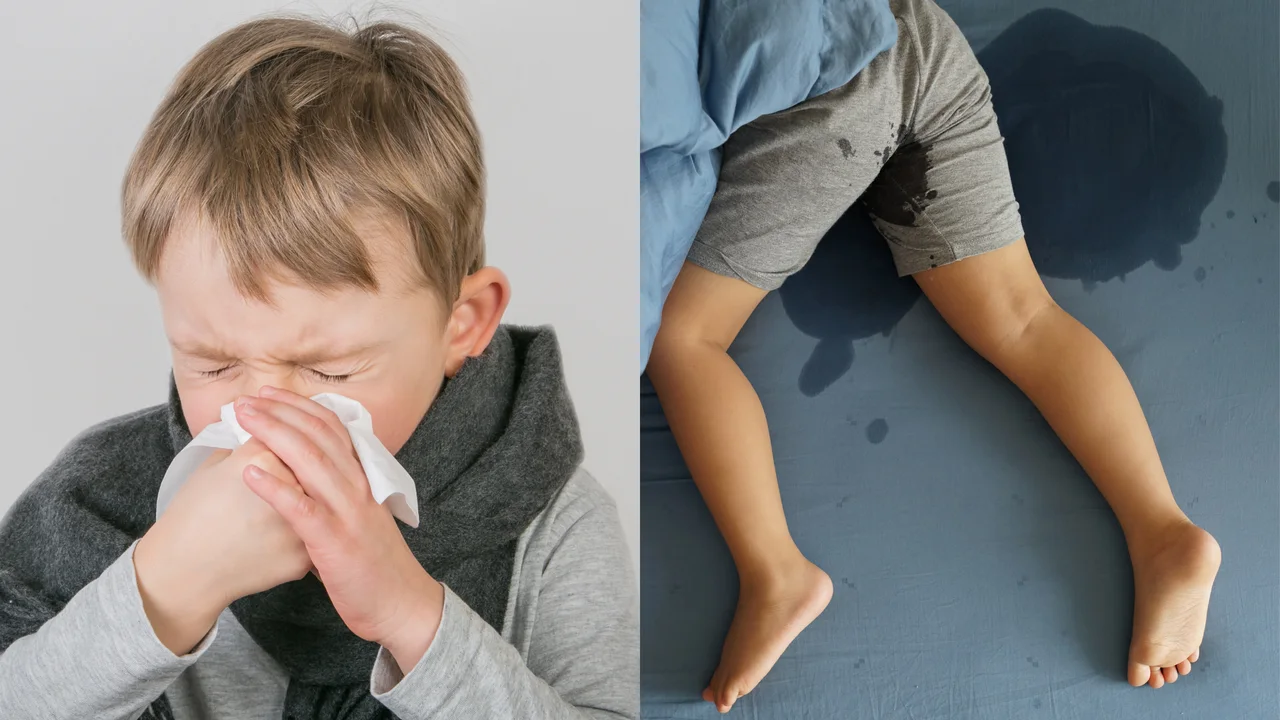

A sudden nosebleed in your child can be alarming, especially when it seems to come out of nowhere. But before you panic, know this:
Let’s walk through why it happens, when to worry, and how sinusitis due to adenoiditis could be the hidden culprit.
🧒 Why Do Kids Get Nosebleeds?
Children’s noses are highly vascular and sensitive.Even minor irritation can cause bleeding.
Common causes include:

- Nose picking (especially during colds or allergies)

- Dry indoor air (from fans, ACs, or heaters)
- Upper respiratory infections
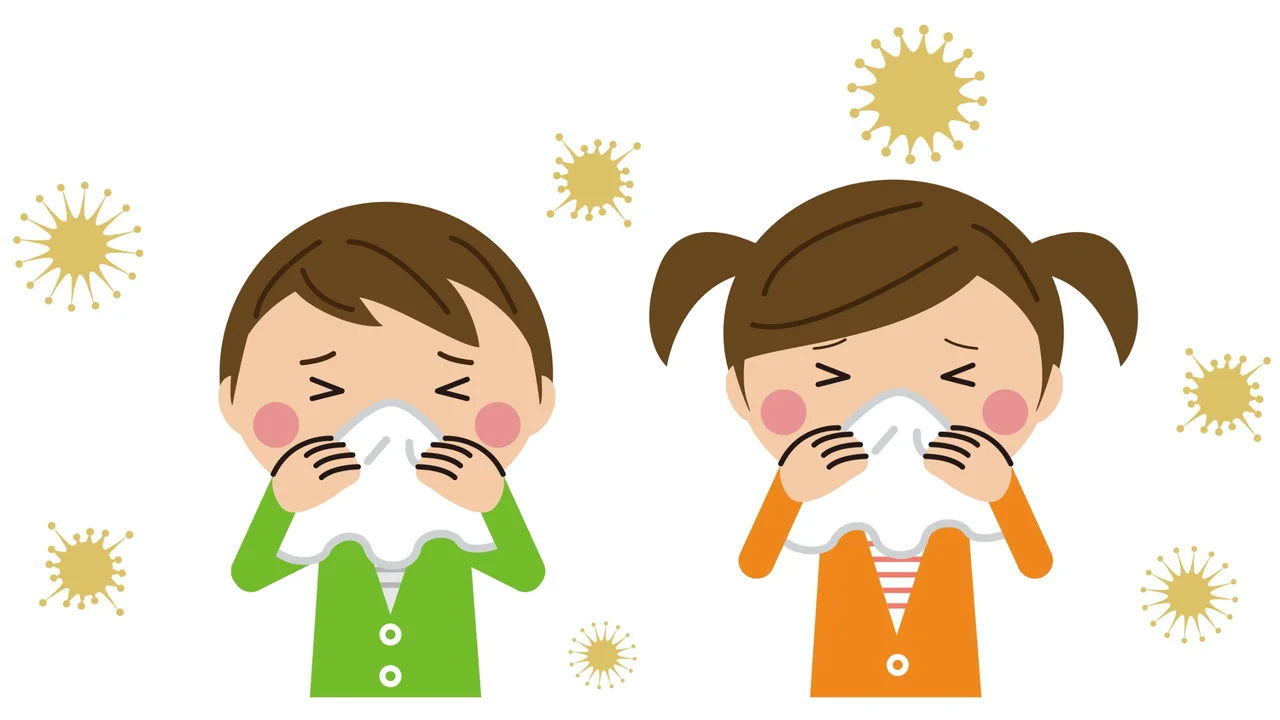
- Allergic rhinitis
- Trauma or falls
- Frequent sneezing or nose blowing
- Underlying sinus infections
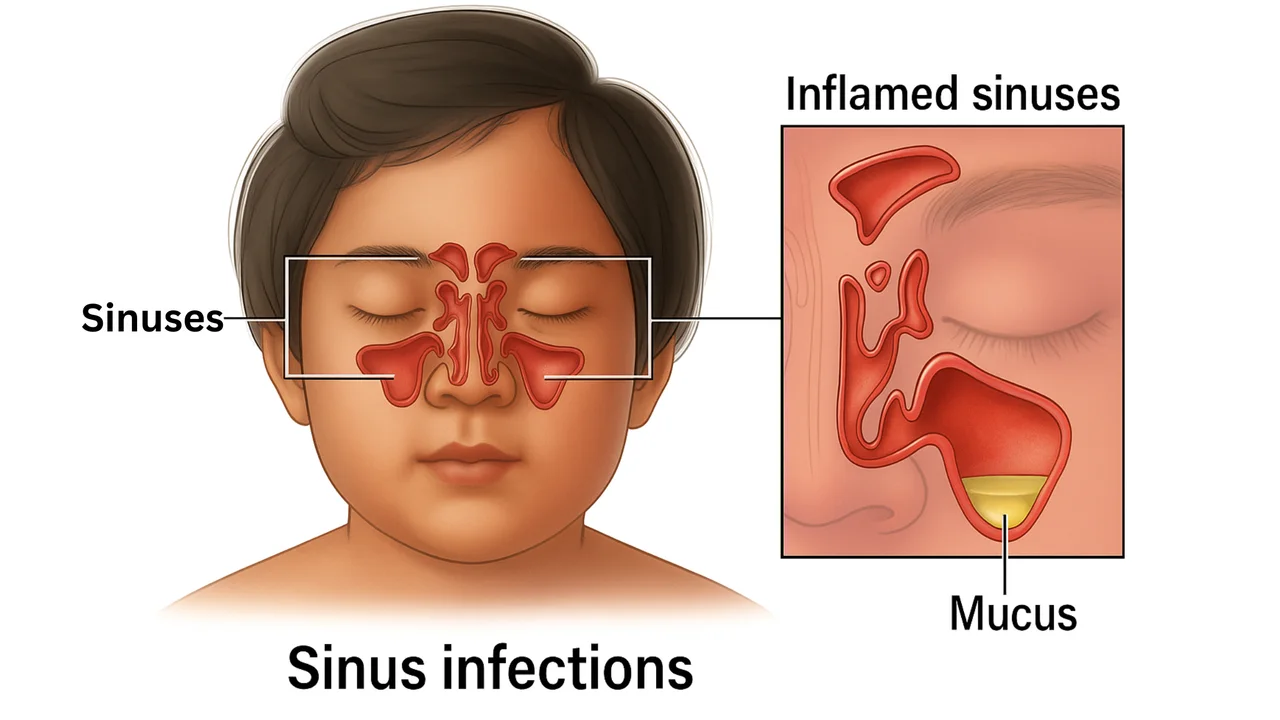
👉 One often overlooked cause?Enlarged adenoids leading to sinusitis.
👃 The Adenoid–Sinus Connection: What Parents Must Know
Behind your child’s nose lie the adenoids—small glands that help fight infections.But when they’re chronically inflamed (adenoiditis), they can:
- Block nasal airflow
- Force mouth breathing
- Trap mucus
- Lead to secondary sinus infections
When sinuses are infected or inflamed, they dry out and irritate the nasal lining, increasing the risk of spontaneous nosebleeds—especially during sleep or weather changes.
🔍 Signs Your Child’s Nosebleeds May Be Sinus-Related
Look for these symptoms:
- Frequent nasal congestion or stuffiness
- Snoring or noisy breathing during sleep
- Mouth breathing

- Persistent bad breath
- Yellow or green nasal discharge
- Recurrent headaches or facial pain

- Daytime fatigue or irritability
👉 If these persist, it’s time for an ENT consultation, possibly with nasal endoscopy or imaging to check for adenoid hypertrophy or chronic sinusitis.
🆘 What to Do During a Nosebleed
If your child’s nose starts bleeding, here’s how to handle it:
✅ Stay calm — your reaction sets the tone ✅ Lean their head forward — don’t tilt it back ✅ Pinch the soft part of the nose — hold for 5–10 minutes ✅ Apply a cold compress — on the nose bridge or back of the neck ✅ Avoid nose-blowing or sniffing for a few hours
❌ Do not insert cotton or tissue inside the nose — it can irritate and cause rebleeding.
🩺 When to See a Doctor
Seek medical attention if:
- The bleeding lasts more than 15 minutes
- It happens more than twice a week
- There’s difficulty breathing through the nose
- You notice thick discharge or persistent bad breath
- Your child is unusually tired or irritable
💊 Treatment Options
If chronic adenoiditis or sinusitis is to blame, treatment may include:
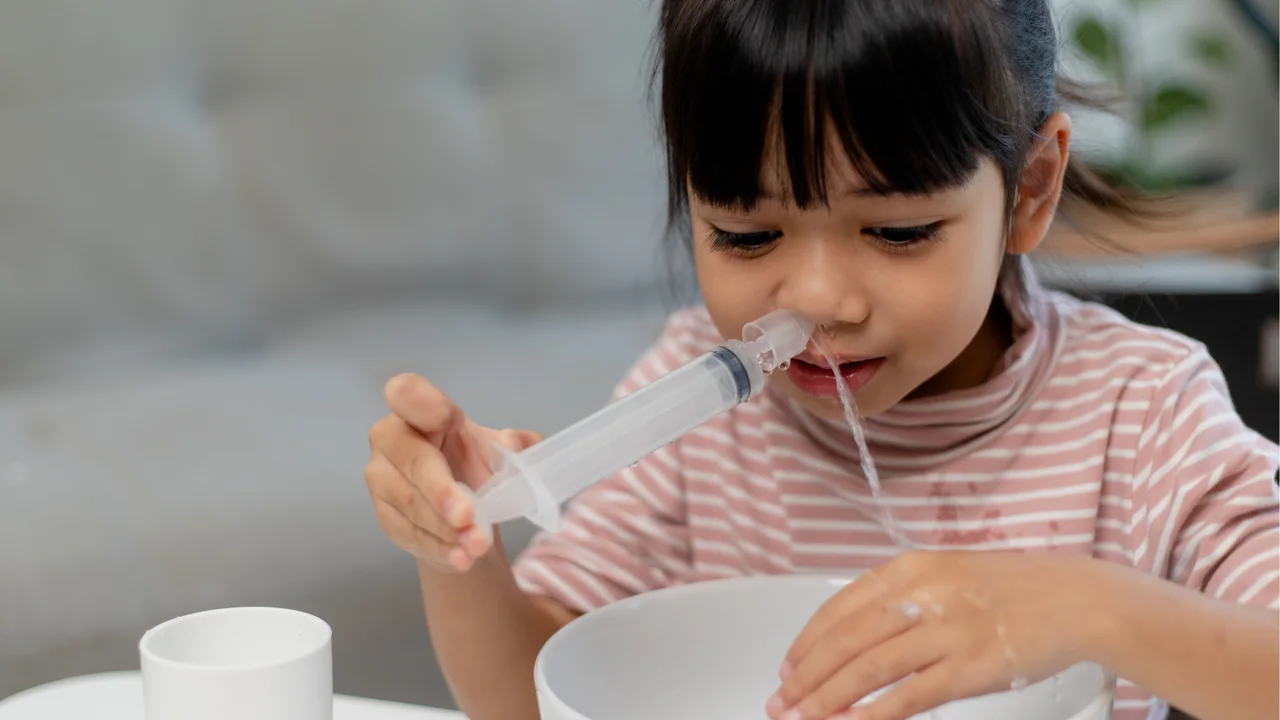
- Saline nasal irrigation
- Antibiotics or anti-allergy medications
- Steroid nasal sprays

- Adenoidectomy (surgical removal of adenoids) if medical therapy fails
✅ Addressing the underlying issue often stops the nosebleeds—and improves your child’s breathing, sleep, and wellbeing.
❤️ Final Thoughts for Parents
Nosebleeds can be unsettling, but with the right understanding, you can take action calmly and confidently.
📅 Book a Consultation Today
👨⚕️ Dr. Prashanth R. Reddy
ENT & Endoscopic Sinus Surgeon
📍 Dr Prashanth R Reddy | ENT Doctor – Sarjapura Road -
🕐 11:00 AM – 1:00 PM (Weekdays)
🕐 1:30 PM – 3:00 PM (Saturday)
📍 Dr Prashanth Reddy | ENT Specialist – Koramangala-
🕐 5:00 PM – 7:00 PM (Monday–Saturday)
🕐 11:00 AM – 1:00 PM (Sunday)
General patient education. An individual consultation is needed to assess your symptoms and treatment options.